Expertly Engineered Swing Gate Systems from the Brands You Trust
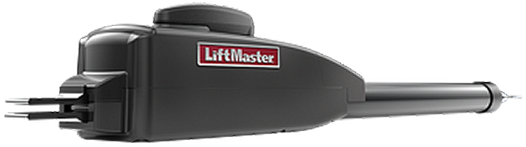
A straight piston-style arm that pushes and pulls the gate directly at the hinge point.
Power: Can be electromechanical or hydraulic.
Mounting: Typically mounted on the gate post or column.
Best For:
Pros: Compact, affordable, simple install
Cons: Limited leverage on very heavy or wide gates
See exactly how swing gate operators function with our detailed installation schematics.
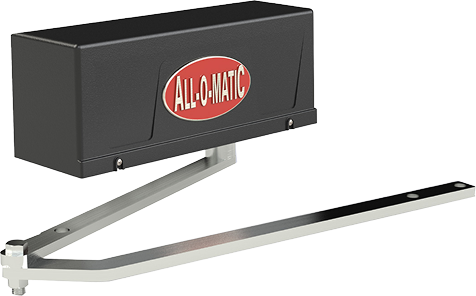
A hinged arm system that accommodates gates with pillars or obstacles near the hinge point.
Power: Typically electromechanical with 24V DC motors.
Mounting: Mounted on the gate post with articulating joints to work around obstacles.
Pros: Works around obstacles, reliable for medium-duty applications, smoother operation
Cons: More complex installation, higher cost than linear actuators
A robust operator mounted within or directly on a pillar or column structure.
Power: Electromechanical or hydraulic systems for heavy-duty applications.
Mounting: Installed inside hollow columns or surface-mounted on solid pillars.
Pros: Clean aesthetics (hidden installation), extremely durable, handles heavy gates
Cons: Requires column/pillar structure, professional installation recommended
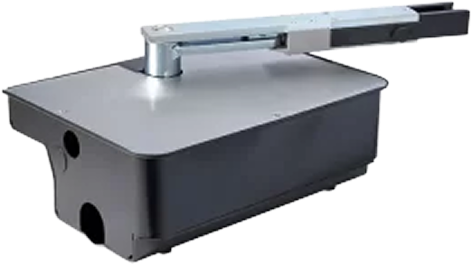
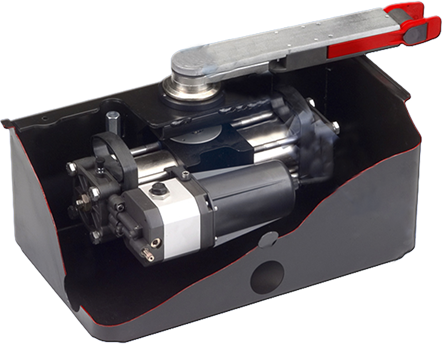
Concealed operators installed beneath the gate hinge point for invisible automation.
Power: Hydraulic systems for maximum power and reliability.
Mounting: Buried in foundation box at the gate hinge, completely hidden from view.
Pros: Completely invisible, unaffected by weather, maximum security, handles very heavy gates
Cons: Highest installation cost, requires excavation and foundation work, difficult to service
Versatile operators mounted on the gate post parallel to the gate swing.
Power: Electromechanical with various voltage options (12V-24V DC).
Mounting: Bolted to the gate post or wall adjacent to the gate hinge.
Pros: Cost-effective, easy DIY installation, suitable for most residential gates
Cons: Visible on post, limited to lighter-duty applications
Industrial-grade operators using hydraulic rams for maximum power and duty cycle.
Power: Hydraulic pump system with electric motor (typically 230V or 115V).
Mounting: Can be configured as underground, surface, or ram-style mounting.
Pros: Superior power and durability, handles extreme loads, reliable in harsh conditions, long lifespan
Cons: Higher upfront cost, requires hydraulic fluid maintenance, professional installation essential
Complete our simple form with your project details, and we’ll provide a free, no-obligation quote tailored to your needs.
Operating Hours : Monday - Friday: 8:00 AM - 5:00 PM EST
Response Time Promise : We strive to respond to all inquiries within 1 business hour.